
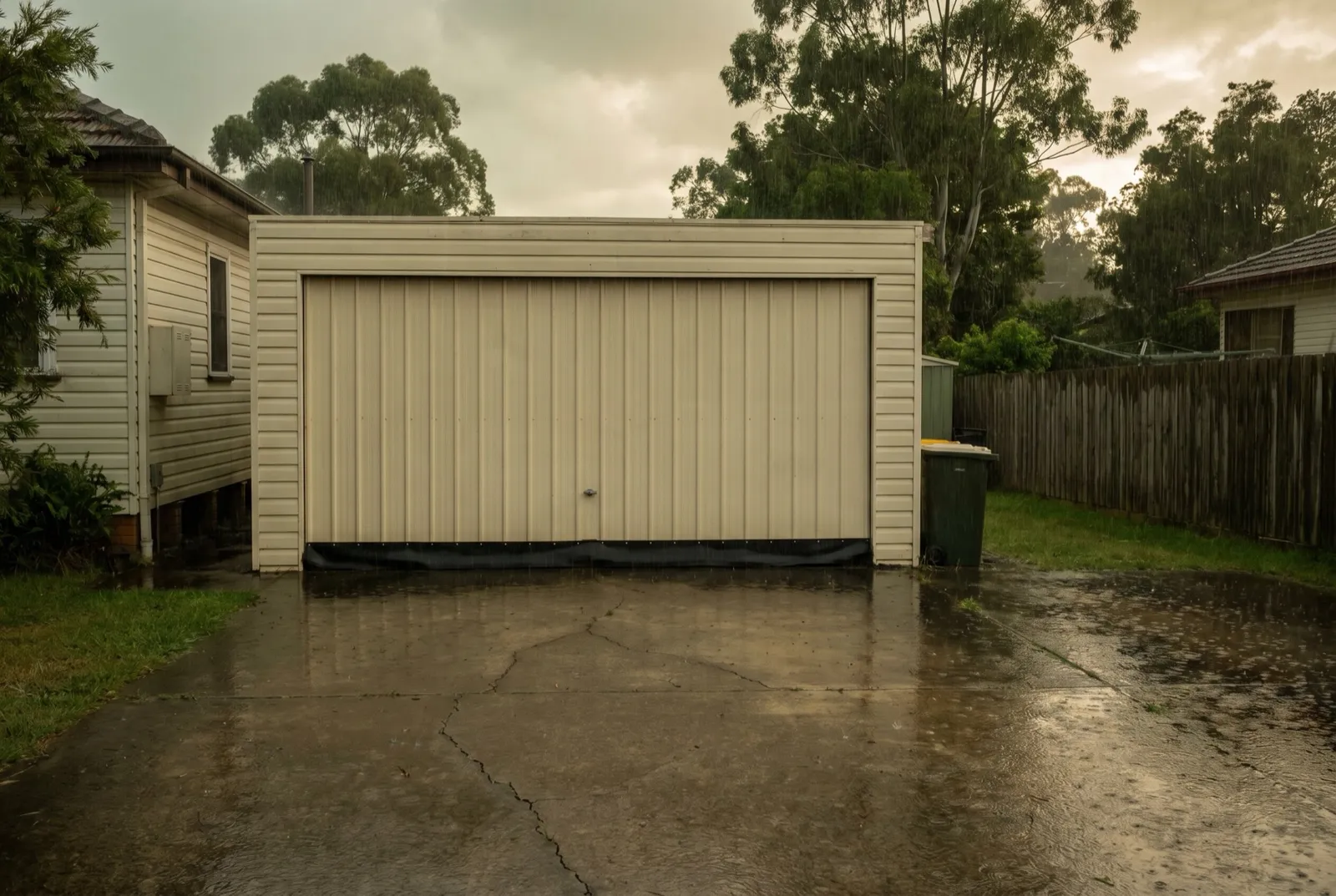
The creek, the channel, and why the town centre cops it
Ironbark Creek runs through the middle of Wallsend in a concrete stormwater channel that has proven too narrow for a serious storm, again and again. When a big system parks itself over the Hunter, the channel backs up and the low-lying blocks around the town centre flood quickly. That's not marketing colour; it's documented history. The Newcastle Herald has covered the channel problem and its proposed fix in detail, and locals don't need the reminder: 2007 was the worst of it, when the Pasha Bulker storm put over a metre of water through parts of the town, and the wets of 2015, 2016, 2020 and 2021 made the same point again. A NSW Government project to widen and naturalise the channel is planned, with construction expected to start in 2027.
Until that's built, storm water in the low pocket of Wallsend goes where it always has: across driveways, against doors, and under the ones whose seals can't hold it out. City of Newcastle's flooding page covers the wider picture for the LGA, and the NSW State Emergency Service is the number to know when it's actually happening (132 500). We're a garage door outfit, so this guide sticks to the part we can honestly speak to: the door.
One thing we won't do is tell you whether your specific address floods. We fix doors; flood mapping belongs to the council and the state, and their pages above are the places to look.
What the water does, in order
First hours: the water itself
Storm water isn't clean. It carries silt, grit and whatever the street had on it. When it pools against a closed door, it finds the base seal. A supple seal holds shallow water out for a while; a perished one lets it through immediately. Once water is inside, it sits against the bottom of the door and the bottom of the tracks, and it leaves its load of grit behind as it drains.
First weeks: the grit
The silt that dries into tracks, roller bearings and hinge pins behaves like grinding paste. The door starts sounding gravelly. An opener that used to lift smoothly begins to labour, because it's now dragging a door through grit at every point that should glide.
First months: the rust
This is the quiet one. Water gets into the folded seams of the bottom rail and the lowest panel, where it can't evaporate quickly, and starts rusting the steel from the inside out. By the time rust shows on the face of the door, the seam behind it is usually further gone. Spring and cable hardware that got wet does the same trick: surface rust on a torsion spring is mostly cosmetic, but corroded cables and bottom brackets are genuinely dangerous, because they're the parts holding the tension.
After water's been under your door: what's worth checking
- The base seal. If it's flattened, cracked or brittle, it won't hold the next storm out either. Seals are one of the cheapest parts on the whole door to put right.
- The bottom rail and lowest panel. Look for bubbling paint, staining or flaking along the bottom edge, inside and out. Catching seam rust early is the difference between treatment and replacement.
- The sound of the door. Gravelly, squeaky or shuddering movement after a flood usually means grit in the tracks and rollers. A proper clean-and-service deals with it; spraying lubricant over the top of grit does not.
- Anything electrical that got wet. If water reached the opener's powerpoint or the motor unit itself, treat it with respect. Electrical checks after flooding are licensed-electrician territory, and that's who does that part of the work.
Repair or replace, the flood edition
Most flood-affected doors we see are repairable, honestly: a new base seal, a clean and re-tension, sometimes a treated or replaced bottom section. The doors that tip the other way are the ones where water has been getting in for years, storm after storm, and the bottom of the door is more rust than steel. If that's yours, we'll say so plainly, and you can read how we make that call before we ever come out.
Either way, the time to look is before the next storm, not after it. The seal and rust check exists for exactly this.
Sources
- Newcastle Herald: the Wallsend flood fix and what it would cost. The channel's capacity problem, on the record.
- Ironbark Creek naturalisation plan, detailed 20 years after the 2007 storm. The planned widening and return-to-nature works, expected from 2027.
- City of Newcastle: flooding. The council's flood information for the LGA, including Ironbark Creek.
- NSW State Emergency Service. For emergency help in floods and storms, 132 500.